Challenge 1: preserving and conserving water resources
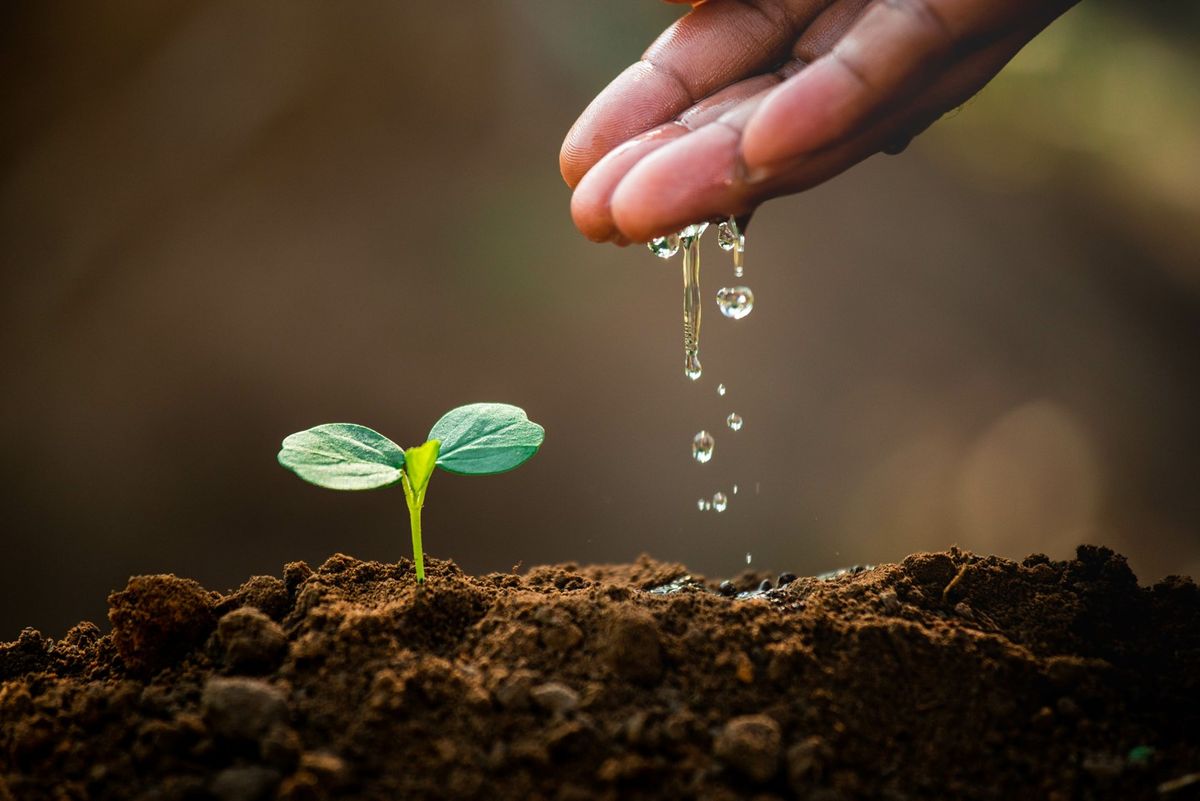
Like many European countries, France is no longer spared from water stress. In 2023, 93 departments were affected by at least one drought alert involving water use restrictions. In this context, water conservation has become a necessity — both for local authorities and for citizens.
Municipalities are multiplying initiatives to reduce their own consumption: smart irrigation systems, optimization of public infrastructure, and awareness campaigns. Some go even further by directly involving residents — such as Toulouse Métropole, which distributes water-saving devices and applies seasonal pricing incentives to limit summer overconsumption.
However, losses due to aging infrastructure remain significant: the average leak rate in France’s distribution networks is around 20%. Leaks are also frequent in buildings, although smart sensors now allow faster detection. Repairs, however, remain expensive and complex to implement.
Modernizing water networks is therefore a top priority. It requires increased support for innovation in leak detection and repair technologies, as well as strong local-level funding mobilization.
Challenge 2: diversifying water sources through “non-conventional” water
Beyond reducing consumption, diversifying water sources has become a strategic priority to secure water use during periods of stress. This involves integrating so-called “non-conventional” water sources — such as rainwater, greywater, and treated wastewater.
Rainwater is increasingly managed on-site, as required by regulations, and incorporated into urban planning from the design phase. By contrast, the reuse of treated wastewater, though promising, remains limited. It is mostly implemented near treatment plants but faces several barriers: logistical complexity, high costs, and a still-restrictive regulatory framework.
Regarding greywater reuse, the regulatory reform introduced in July 2024 has opened new opportunities for greywater recovery projects. Certain uses — such as irrigation or toilet flushing — are now authorized, provided specific quality thresholds are met. The regulatory framework is therefore no longer the main obstacle.
In existing buildings, however, greywater reuse systems require extensive retrofitting to install dual networks, limiting adoption. In contrast, new real estate developments are beginning to integrate greywater recovery and treatment systems for secondary uses such as sanitation and irrigation. Nevertheless, financing models for such systems remain to be defined, since the price of water saved is still relatively low compared with the cost of treatment technologies.
Except for rainwater collection, the use of non-conventional water sources remains largely experimental in most French cities. Scaling up will require technical support and the development of viable economic models.
Challenge 3: adapting to climate risks
Cities today face a dual climatic threat: increasingly frequent episodes of extreme rainfall and prolonged droughts that weaken soils and infrastructure.
Urban soil sealing — long favored in city planning — now worsens flood and pollution risks. Meanwhile, repeated droughts cause soil movement, particularly the clay shrink-swell phenomenon, which leads to cracks in buildings. In 2022, compensation for these two natural hazards reached €14.4 billion for floods and €12 billion for shrink-swell damage.
Flood risk now affects 64% of French territory. As a result, more insurers are withdrawing from high-risk zones, making upstream protection measures even more critical — though current initiatives remain limited to levee construction and soil de-sealing. Some cities, such as Angers, are developing digital twins to map flood risks, simulate various flood scenarios, and guide infrastructure adaptation accordingly.
Learn more about how our team can support you in your projects related to climate resilience >
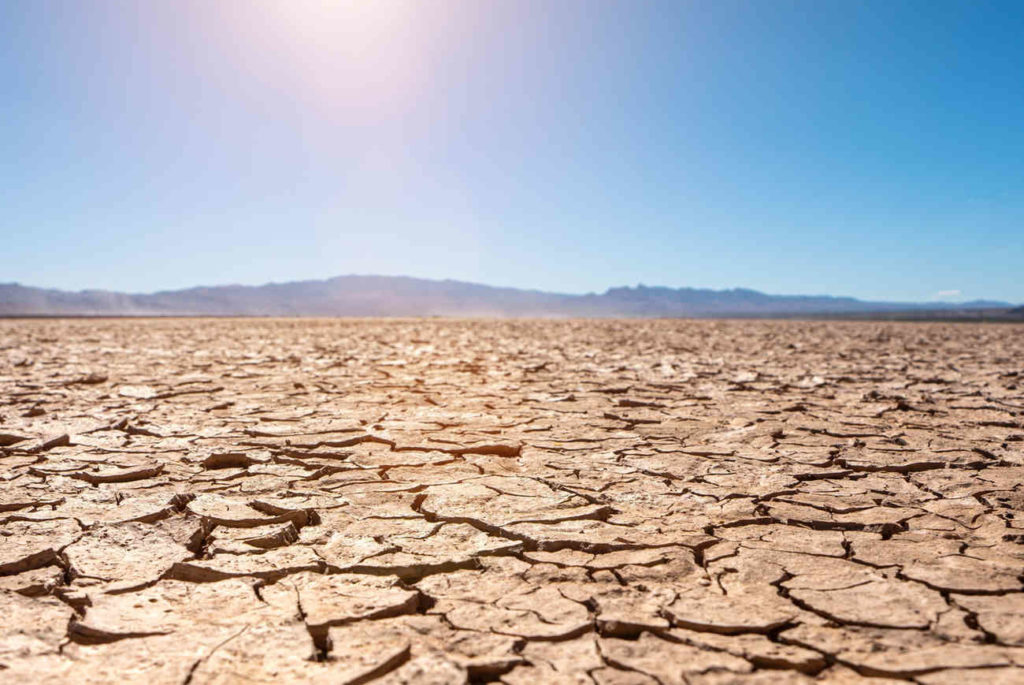
Similarly, the clay shrink-swell phenomenon has become a major threat to buildings. During dry periods, clay soils contract, then expand again with the first rainfall, causing structural cracks — especially in suburban areas built on former agricultural land. Ongoing studies are exploring how to maintain soil moisture at stable levels over time to mitigate these effects.
Heatwaves further intensify pressure on water resources while increasing the need for thermal comfort. To address this, cities are implementing adaptation measures such as cool islands, shaded pathways, misting devices, urban greening, and albedo reduction strategies to improve neighborhood resilience.
Although understanding of climate risks is improving, the best means of approach varies widely depending on the type of risk. The gradual withdrawal of insurers from certain areas is prompting the creation of new prevention and insurance models.
While many innovative water management practices have been successfully tested in pilot projects, their large-scale deployment is still hindered by technical, financial, and regulatory obstacles.
Even mature solutions — such as leak reduction and soil de-sealing — struggle to expand due to a lack of sustainable funding, particularly for private operators who cannot always pass on the costs to tenants.
Finally, as insurers continue to retreat from high-risk areas, new coverage models are emerging (such as parametric insurance), encouraging private actors to anticipate risks and invest in preventive measures.
Alcimed supports organizations and territories in developing innovative, resilient solutions to address these water management challenges. Don’t hesitate to contact our team!
About the author,
Charles, Consultant in Alcimed’s Energy Environment Mobility team in France