Understanding digital opinion leaders: context, definitions, and regulatory foundations
A new era of patient-centric healthcare
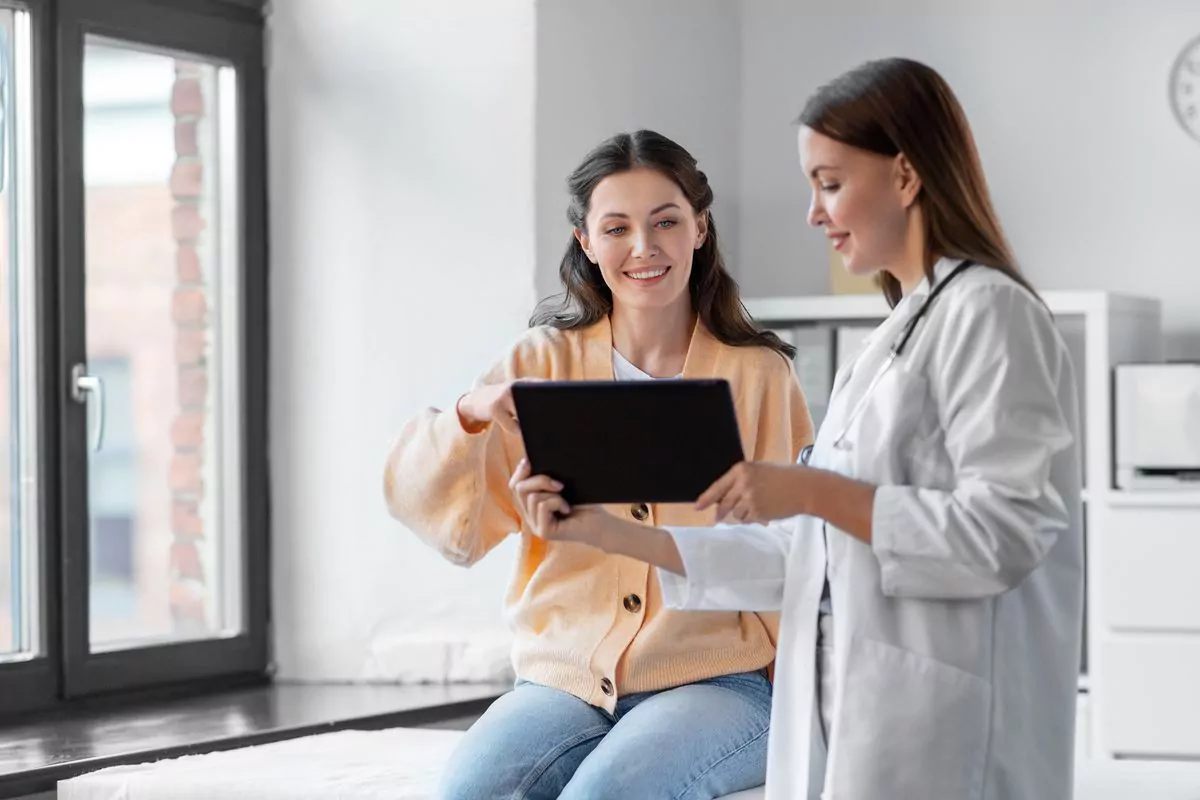
The rise of digital technologies has transformed healthcare communication. Patients are no longer passive recipients of medical advice; instead, they actively seek information online, compare treatment options, and engage with health communities. This shift has fostered the emergence of digital opinion leaders as trusted voices who influence healthcare decisions through digital platforms.
Defining digital opinion leaders (DOLs)
A digital opinion leader (DOL) is an individual or organization, often physicians or patients, with a digital presence and credibility who can influence clinical peers, patients, and other healthcare stakeholders by sharing experience, advice, and healthcare-related content on online platforms. Key DOL profiles include:
- Healthcare professionals (HCPs)
- Patients and patient advocates
- Healthcare organizations and institutions
- Pharmacies and healthcare platforms
The regulatory framework governing DOL engagement
Engaging with DOLs requires strict compliance with regulatory and ethical standards. Pharmaceutical companies must ensure that all collaborations respect the given frameworks governing healthcare communication.
Key principles include:
- Transparency and disclosure of partnerships
- Scientific accuracy and evidence-based communication
- Ethical conduct and professional independence
- Clear distinction between promotional and non-promotional activities
Non-promotional activities typically include:
- Communication on health and well-being
- Digital disease awareness campaigns
- Scientific and educational content dissemination
- Amplification of scientific and medical events via digital platforms
The strategic role of digital opinion leaders in patient health
Why DOLs matter in the patient healthcare landscape
Patients, caregivers, and consumers now turn to online voices, not just doctors, before making healthcare decisions. Digital opinion leaders play a pivotal role by translating complex medical information into accessible language, combating misinformation, and empowering patients to make informed decisions, with a human touch and their own expertise.
Their impact includes: enhancing disease awareness and prevention, supporting patient education and health literacy, promoting trust in credible healthcare information, improving patient engagement and adherence, facilitating dialogue between stakeholders.
A growing strategic priority for pharmaceutical companies
Pharmaceutical companies are progressively integrating DOLs into their engagement strategies. DOLs support communication across the entire product lifecycle:
- During the pre-launch phase, digital opinion leaders help raise awareness of unmet medical needs while educating audiences about specific disease areas.
- At launch, they translate clinical evidence into accessible and engaging narratives, supporting brand positioning and enhancing product awareness.
- Post-launch, they promote patient education and adherence while disseminating real-world insights and best practices.
4 challenges for pharma companies to unlock the future potential of DOLs in patient healthcare
Challenge 1: developing a structured framework to identify and prioritize DOLs
To ensure effective collaboration, organizations are adopting standardized methodologies to evaluate and prioritize DOLs. A robust evaluation matrix, tailored to the company’s therapeutic focus and values, is essential. Key dimensions to consider include scientific expertise, credibility, audience engagement, and alignment with organizational values.
Challenge 2: navigating compliance considerations and risk management
DOLs operate within a highly regulated environment where credibility and compliance go hand in hand. Successfully engaging with them requires a balance between innovation and responsibility. Pharmaceutical companies must ensure a clear distinction between educational and promotional content, maintaining full transparency and navigating specific regulations. When managed correctly, DOL collaborations elevate the quality and reliability of communication, strengthening relationships with patients and reinforcing brand reputation.
Challenge 3: integrating digital channels shaping patient health-related communication
For healthcare professionals engaging as DOLs, one of the central challenges is identifying the right mix of channels and content formats to reach and engage their target audience effectively.
Healthcare professionals who act as DOLs are redefining how medical knowledge reaches broader audiences. Each platform plays a distinct role: Instagram for visual health education, TikTok for short-form awareness content, YouTube for in-depth expert discussions, and LinkedIn or X for professional dialogue. Together, they form an ecosystem where science meets accessibility at scale. Indeed, DOLs are becoming long-term strategic partners. Their role extends beyond communication to shaping healthcare narratives and impacting patient behavior.
Challenge 4: building synergies between digital opinion leaders and key opinion leaders
The convergence of DOLs and traditional key opinion leaders creates a powerful ecosystem. This collaboration enhances scientific credibility while expanding digital reach, enabling organizations to bridge offline expertise with online influence. By strengthening networks, nurturing future thought leaders, and improving local reputation monitoring, this synergy ensures a more integrated, impactful, and future- ready approach to healthcare communication.
Discover how we can support you in your projects related to patient centricity >
The importance of non-promotional engagement models
Non-promotional activities represent the most scalable and compliant approach to collaborating with DOLs. These initiatives enable pharmaceutical companies to deliver value to patients while maintaining regulatory compliance and ethical integrity. Rather than positioning DOLs as brand messengers, non-promotional engagement (like educational content, disease-awareness campaigns, scientific exchange) allows companies to build trust-based relationships that hold up under regulatory and public scrutiny. This matters increasingly as health authorities and platforms tighten oversight of sponsored medical content: an engagement model built on education rather than promotion is inherently more durable and more aligned with the long-term credibility DOLs need to maintain with their audiences.
Where DOL engagement is heading next
As this model matures, several trends are reshaping how companies identify, support, and collaborate with DOLs:
- Data-driven influencer selection: moving beyond follower counts to engagement quality, audience relevance, and content credibility
- Rise of micro-influencers and niche experts: smaller, highly specialized voices often driving deeper trust within specific therapeutic areas
- Growth of omnichannel communication strategies: coordinating consistent messaging across social media
- Increasing regulatory scrutiny and transparency: greater expectations around disclosure, sourcing, and compliance as DOL activity draws more attention from regulators
- Patient-centric healthcare transformation: content and partnerships increasingly designed around patient needs and health literacy, not just scientific accuracy
Opinion Leaders have always shaped medical practice online or offline: today, their digital counterparts are amplifying that influence at unprecedented scale, reshaping how patients access information and how pharma companies build trust.
Three questions every company should be asking now: Do we have a structured approach to identify and evaluate the right DOLs for our therapeutic areas? Are our DOL collaborations truly non-promotional, compliant, and measurable? Are we leveraging DOLs as long-term partners or just one-off channels?
Alcimed helps organizations answer these questions and build future-ready engagement strategies from DOL mapping to collaboration finalization. Do not hesitate to contact our team.
Gea, Senior Consultant in Alcimed’s Healthcare team in Italy
Hélène, Head of Italian office and Project Director for the Healthcare team