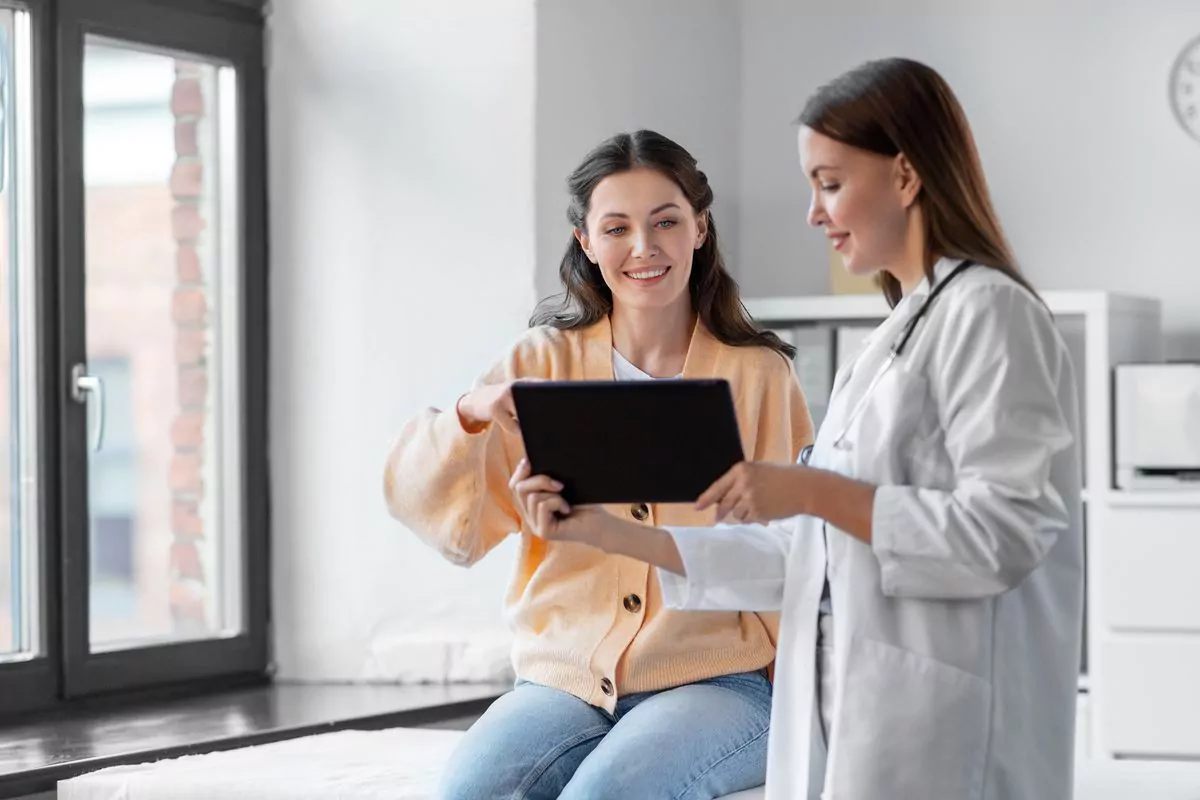
Trend 1: innovations in care delivery
Modern oncology is expanding beyond traditional hospital care. Oral medications and subcutaneous therapies allow patients to receive treatment at home or in outpatient settings, reducing travel time and increasing autonomy. Remote monitoring and telemedicine enable continuous oversight of symptoms, timely interventions, and more frequent touchpoints with care teams without the burden of hospital visits. Streamlined care delivery also reduces “time toxicity,” the hours patients spend traveling, waiting, or attending appointments, allowing them to focus on daily life while maintaining adherence to complex treatment regimens. These models improve both patient satisfaction and system efficiency.
Trend 2: personalized and supportive care
Precision oncology, driven by genetic profiling and biomarker analysis, allows therapies to be tailored to individual patients, reducing unnecessary side effects while maximizing effectiveness. Beyond medical treatments, psychosocial programs, caregiver support, and wellness initiatives address emotional and social well-being, recognizing that these factors influence recovery, adherence, and overall quality of life. Structured counseling, mindfulness programs, and family support networks are increasingly integrated into oncology pathways, helping patients navigate the emotional challenges of cancer while maintaining daily routines.
Trend 3: digitalization and artificial intelligence
Digital tools and AI are revolutionizing patient-centered oncology, supporting diagnostics, treatment planning, and engagement in ways that were unimaginable just a decade ago. Key implementations include:
Patient guidance
AI chatbots, such as the one implemented at SSG Hospital (India), provide patients and families with instant, multilingual guidance on surgery, chemotherapy, radiotherapy, post-care, and follow-up. These chatbots reduce patient anxiety, answer frequently asked questions, and help patients manage symptoms and side effects at home.
Virtual care platforms
Cedars-Sinai Connect (CS Connect) automates in a pilot patient intake, symptom assessment, and preliminary treatment recommendations, with physicians reviewing AI-generated suggestions. Among patients using the platform, AI recommendations were rated “optimal” in 77% of cases, demonstrating how technology can complement, not replace, clinician expertise.
Clinical data management
Dashboards like GE HealthCare’s CareIntellect (launch anticipated for 2025) aggregate complex patient information across multiple systems, summarize medical history, monitor disease progression, and flag deviations from treatment plans. This consolidation enables proactive, personalized interventions and reduces administrative burdens for clinicians.
Imaging and early detection
AI tools such as Northwell Health’s iNAV screen MRIs and CT scans for early cancer signs, significantly shorten biopsy wait times from 22 to 7 days and accelerate treatment initiation from 56 to 34 days. Early detection improves outcomes and allows clinicians to prioritize patients most at risk.
Learn more about how our team can support you in your projects related to patient centricity >
Clinical trial matching and administrative support
Platforms like HopeLLM (City of Hope) automate patient onboarding and match patients to relevant clinical trials. They generate personalized responses to queries and extract real-world data for research, helping clinicians focus on meaningful patient interactions while patients benefit from more timely and appropriate trial opportunities.
AI and digital innovations are transforming oncology by personalizing care, improving engagement, and streamlining workflows for timely treatment. These tools could ease administrative burdens, support proactive monitoring, and strengthen collaboration between patients and clinicians to improve outcomes and quality of life. By integrating home-based care, targeted therapies, psychosocial support, and AI-driven tools, oncology is shifting toward patient-focused models centered on choice and comfort. Moving forward, collaboration among providers, regulators, and technology developers will be key to ensuring accessible, sustainable, and transformative cancer care. Alcimed will update you continuously on this exciting therapy field.
Working on a project to optimize patient pathways in oncology? Don’t hesitate to contact our team.
About the author,
Volker, Great Explorer Oncology in Alcimed’s Healthcare team in Germany