1960s-70s: offshoring and mass production
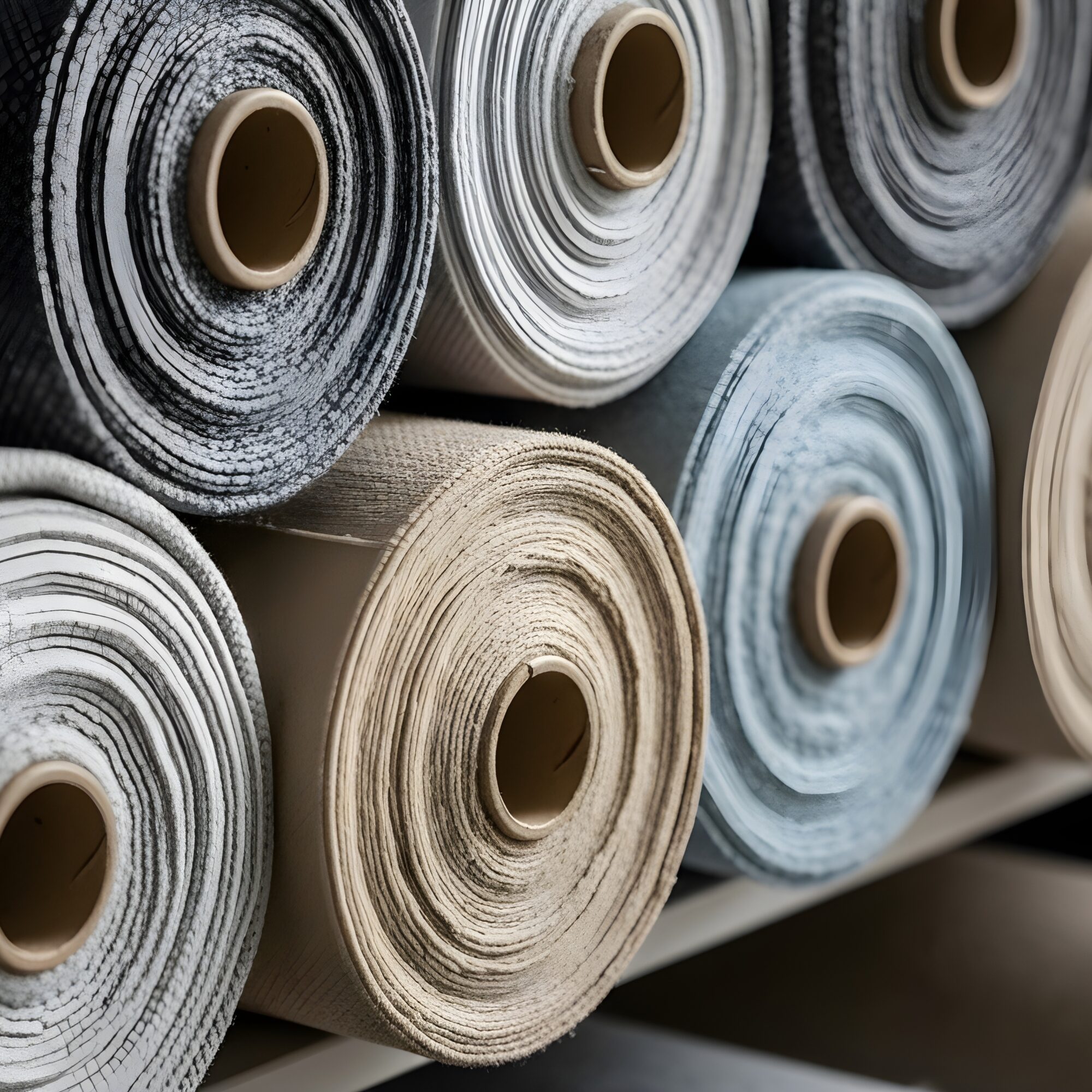
During the 1960s, driven by strong economic growth, industries began large-scale offshoring efforts to reduce labor and raw material costs. This period also marked the rise of ready-to-wear fashion, which democratized access to clothing. Communication strategies relied on traditional media such as TV and radio advertising, billboards, trade magazines, and seasonal fashion shows, while annual sales events became key commercial milestones. Marketing also evolved: it was no longer limited to promoting products, but increasingly focused on lifestyle and emotions, laying the foundations for modern brand image building. At the same time, the development of automation and the widespread adoption of synthetic materials accelerated production while lowering costs.
1980s-90s: segmentation, just-in-time, and the early days of fast fashion
Offshoring continued to intensify, with more than half of production capacity transferred to low-cost countries. Companies adopted cost-reduction strategies based on cheaper raw materials and low-skilled labor. Vertical integration and the first supply network models emerged. This period marked the beginning of fast fashion and just-in-time manufacturing, with collections renewed every two to four weeks. Communication strategies evolved with the rise of promotional events such as Black Friday and the expansion of mass television advertising supported by fashion magazines. Commercially, brands explored new levers including product placements in music videos and movies, celebrity collaborations, and their first steps online. Technological innovations such as computer-aided design (CAD), automated cutting systems, and logistics management software increased both productivity and responsiveness.
2000s: full globalization and the rise of digitalization
The 2000s marked the era of fully globalized supply chains. Fast fashion became the dominant business model, supported by increasingly sophisticated logistics and stronger supplier coordination. E-commerce emerged alongside traditional channels, bringing newsletters, banner ads, and continuous promotions into the retail landscape. Brands also explored mass customization through capsule collections, designer collaborations, and the gradual digitalization of the customer experience. Early social media platforms such as MySpace, Facebook, and YouTube, along with fashion blogs, contributed to this transformation by bringing brands and consumers closer together. On the technology side, the adoption of ERP systems and RFID tags enabled the integration of sales data, inventory management, and real-time logistics optimization.
2010s to today: ultra-responsiveness and digital influence
Since 2010, the industry has entered a phase of extreme acceleration. Ultra fast fashion has emerged, driven by giants such as Shein and Boohoo, capable of launching hundreds of new products every day. Communication is now dominated by e-commerce, reinforced by AI-powered advertising targeting. Promotions have become continuous, and personalization has reached unprecedented levels, extending all the way to individualized products. Micro-collections and limited drops are multiplying, fueled by the power of social media and the growing influence of content creators, brand ambassadors, and influencers. Meanwhile, technological innovations are opening up new possibilities through 3D prototyping, advanced automation, and the widespread use of artificial intelligence in production and logistics management.
At the same time, a more sustainable and circular shift is taking shape. In response to growing environmental and social criticism, new practices are emerging: the development of eco-responsible labels, the rise of so-called “ethical” brands, and partial reshoring initiatives aimed at reducing carbon footprints. The secondhand market is experiencing explosive growth, driven by platforms such as Vinted, Vestiaire Collective, and resale programs organized directly by brands themselves. Reuse, repair, and upcycling models are also gaining momentum, extending product lifespans and contributing to a cultural shift in consumer behavior. Some companies are going even further by exploring more advanced circular business models, including clothing rental services, take-back programs, and products designed from the outset to be recyclable. Luxury brands are pushing this approach even further by cultivating a strong emotional connection between consumers and garments, transforming their products into objects that carry stories and symbolic value, designed to last and be passed on across generations.
Learn more about how we can help you build your decarbonization strategy >
The industry’s greatest challenge is therefore no longer producing faster and at lower cost, a model that has become environmentally unsustainable, but fundamentally reinventing its strategies to align with today’s challenges. This means moving beyond a logic centered on volume and impulse purchasing to develop approaches focused on long-term value:
- designing products that carry meaning and tell a story,
- promoting business models built around repairability, personalization, and transmission,
- supporting consumers toward a more sustainable, emotional, and less disposable relationship with the goods they purchase.
Today, the industry must redefine consumption patterns and invent a truly sustainable model. To achieve this, strengthening the relationship between products and users is essential, paving the way for a new industrial and commercial model that is more responsible, more desirable, and more sustainable over the long term.
In the second part of this article, discover how the concept of emotional durability can help rethink clothing sustainability in a society shaped by cultural obsolescence and constant renewal.
Alcimed can support you in transforming your industry and addressing the new challenges facing the textile market. Feel free to contact our team.
About the authors,
Vincent, Director of Alcimed’s Chemicals and Materials Business Unit in France
Manon, Consultant in Alcimed’s Chemicals and Materials Business Unit in France